Small Initiative, Big Impact!
The Forum for Education and Livelihood Support (FELS) is a community-based organization, established in 2019. FELS works in six thematic areas:
Impacting Communities
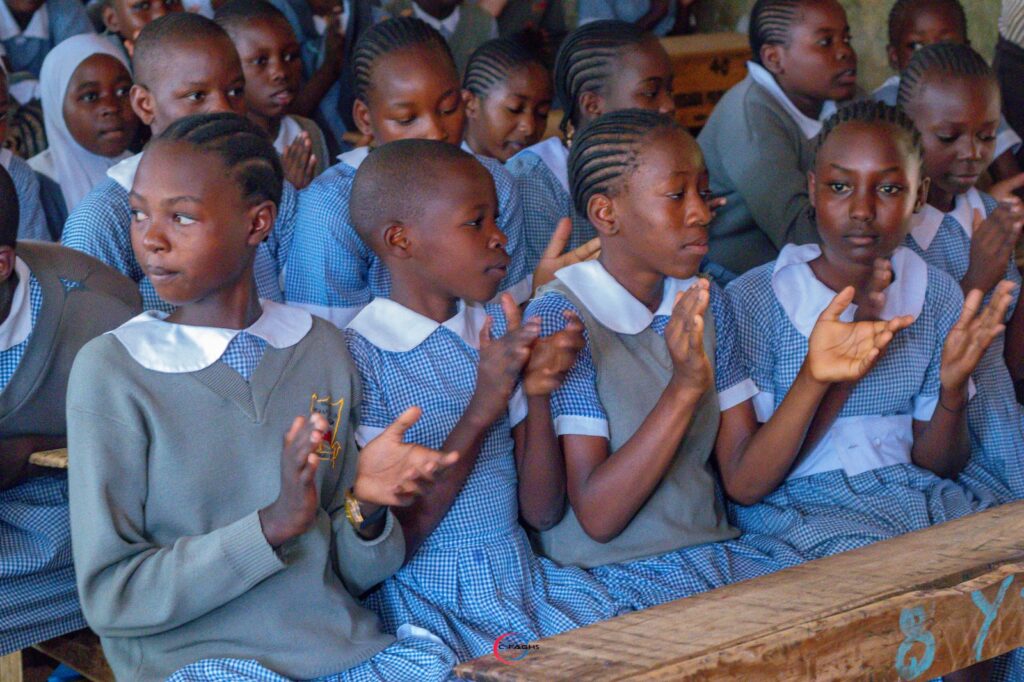
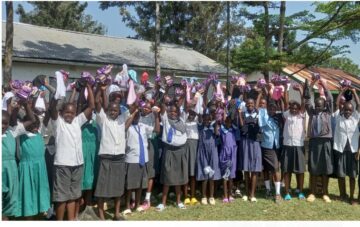
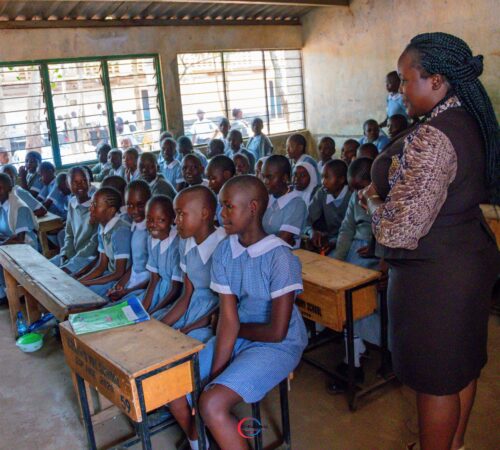
The organization also runs programs that give knowledge to Adolescent Girls and Young Women (AGYW) their Sexual Reproductive Health Rights (SRHR). The social behavior change among these young people increases the demand for the SRH services from the public health facilities and reduces the impact of Sexual Gender Based Violence like HIV/AIDS infection, unplanned pregnancy among others. Cases of unplanned young people on ensure social behavior change among Adolescent Girls and Young women to ensure access to Sexual and Reproductive Health (SRH) services.
Full, Equal and Meaningful Participation
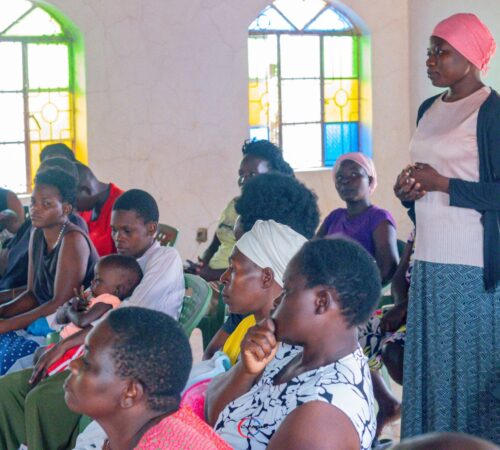
FELS Gender Action Plan calls for full, equal and meaningful participation of Adolescent Girls and Young Women in climate change mitigation measures. This is because women represent a high percentage of poor communities that are highly dependent on local natural resources for their livelihood, particularly in rural areas of Migori county where they shoulder the major responsibility for household water supply and energy for cooking and heating, as well as for food security. AGYW have limited access to and control of environmental goods and services; they have negligible participation in decision-making, and are not involved in the distribution of environment management benefits. Consequently, women are less able to confront climate change.